

As the leaves begin to change across Virginia and the Northeast, your deck needs special attention to prepare for the coming months. Fall is the perfect time to perform essential maintenance that will protect your outdoor investment and ensure it’s ready for next spring. At Velero Deck Designs, we’ve helped hundreds of Virginia homeowners protect their decks through proper autumn care. Whether you’re tackling maintenance yourself or considering professional service, these essential tips will keep your outdoor space in the best condition throughout the winter months ahead.
Why Fall Maintenance Matters in Our Region
Many homeowners assume spring is the only good time for deck maintenance, but fall preparation is crucial in Virginia and throughout the Northeast. Our region experiences dramatic seasonal transitions, from humid summers to freeze-thaw cycles in winter. The combination of falling leaves, increased rainfall, and temperature swings from the 70s down to freezing can take a serious toll on your deck’s structure and appearance. By investing a weekend in autumn maintenance, you’ll prevent costly repairs (often $500-$2,000 or more) and extend your deck’s lifespan by years. At Velero Deck Designs, we’ve seen firsthand how proper fall care makes all the difference.
 Step 1: Clear Away Debris
Time Required: 30-60 minutes
Tools Needed: Leaf blower, stiff broom, putty knife
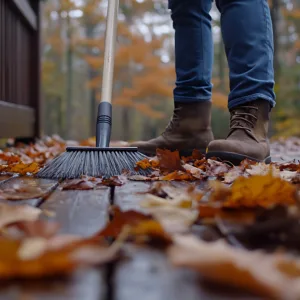
The first and most crucial step is removing all debris from your deck surface. In Virginia, oak, maple, and pine trees drop substantial amounts of leaves and needles throughout October and November. These may seem harmless, but they trap moisture against the wood or composite material, creating the perfect environment for mold, mildew, and rot.
DIY Pro Tip: Use a putty knife to dig out debris between board gaps—this is where moisture problems typically start. For composite decks (like Trex or TimberTech popular in our region), be gentle to avoid scratching.
Don’t forget the areas underneath your deck. Leaves and organic matter that collect below can retain moisture and attract pests like carpenter ants and termites, which are common in Virginia’s humid climate. Use a leaf blower or rake to clear these hard-to-reach spaces. While you’re at it, check for any signs of animal nesting or structural issues that might need addressing.
Step 2: Deep Clean Your Deck
Time Required: 2-4 hours
Materials Needed: Deck cleaner ($15-$40), pressure washer (rental $40-$100/day), stiff brush
Best Time: Late September to mid-October when temps are 50-75°F
Once debris is removed, give your deck a thorough cleaning. For pressure-treated pine and cedar decks (the most common wood species in Virginia), use an oxygen bleach-based deck cleaner rather than chlorine bleach, which can damage wood fibers.
Step-by-Step Process:
- Wet the entire deck surface with a garden hose
- Apply deck cleaner according to manufacturer directions
- Let it sit for 10-15 minutes (don’t let it dry)
- Scrub with a stiff brush, working in the direction of the wood grain
- Rinse thoroughly with a pressure washer set to 1,200-1,500 PSI (anything higher can damage wood)
For Composite Decks: Use a composite-specific cleaner (like Trex Deck Cleaner, $12-$20) and avoid pressure washers above 3,000 PSI. Most composite manufacturers recommend soap and water for routine cleaning.
Make sure the deck is completely dry before proceeding to sealing—this typically takes 48-72 hours in Virginia’s fall humidity.
Step 3: Inspect for Damage
Time Required: 45-90 minutes
Tools Needed: Screwdriver, hammer, flashlight, moisture meter (optional, $25-$50)
Fall is an ideal time to conduct a comprehensive inspection before winter weather sets in. Virginia’s freeze-thaw cycles and Northeast snow loads can exacerbate existing problems, so catching issues now is critical.
Complete Inspection Checklist:
- Fasteners: Tighten or replace any loose screws or popped nails. In coastal Virginia areas, check for rust on metal fasteners due to humidity.
- Boards: Look for cracked, splintered, warped, or cupped boards. Pressure-treated pine typically shows wear after 10-15 years.
- Railings: Push and pull on all railings and posts—they should be rock solid. Loose railings are a safety hazard and violate Virginia building codes.
- Rot Check: Use a screwdriver to probe areas where water collects (especially board ends and ledger connections). Soft wood indicates rot and needs replacement.
- Ledger Board: This is where your deck attaches to your house—critical in our region where heavy snow can stress connections. Look for gaps, rust on bolts, or deteriorated flashing. Virginia building codes require deck ledgers to be attached with lag bolts or through-bolts, not just nails.
- Joists and Beams: Inspect from underneath with a flashlight for rot, insect damage, or structural issues.
Pro Tip from Velero: If you find any soft spots or structural concerns during your inspection, take photos and document the locations. This helps us provide accurate estimates if you decide professional repairs are needed.
 Step 4: Seal and Protect
Time Required: 4-8 hours (plus drying time)
Materials Cost: $100-$300 depending on deck size
Best Products for Our Climate: Thompson’s WaterSeal, Behr Premium, Olympic Maximum, or TWP (Total Wood Protectant)
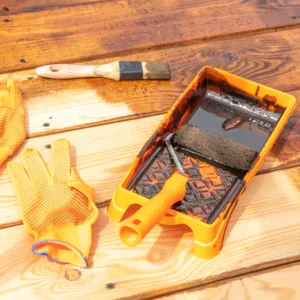
After cleaning and repairs, applying a quality sealant is your deck’s best defense against Virginia’s wet winters and the Northeast’s harsh freeze-thaw cycles.
Choosing the Right Sealant:
- Clear Sealers: Best for newer cedar or redwood ($30-$40/gallon), reapply every 1-2 years
- Semi-Transparent Stains: Ideal for pressure-treated pine ($35-$50/gallon), protects for 2-3 years, adds color while showing grain
- Solid Stains: Maximum protection ($40-$60/gallon), lasts 3-5 years but hides wood grain
Application Tips for DIYers:
- Check weather forecast—you need 48 hours of dry weather with temps between 50-80°F (typically late September to early November in Virginia)
- Apply in the morning so the sealant can penetrate before afternoon humidity rises
- Use a pump sprayer for large areas, brush for railings and detail work
- Apply TWO thin coats rather than one thick coat for better penetration
- Pay extra attention to horizontal surfaces and board ends where water penetrates
- Back-brush within 15 minutes to work the sealant into the wood grain
Note on Composite Decks: Most composite materials don’t require sealing, but some homeowners apply UV-protectant products to prevent fading. Check your manufacturer’s recommendations (Trex and TimberTech all have specific guidance).
Step 5: Trim Nearby Vegetation
Time Required: 1-2 hours
Tools Needed: Pruning shears, pole saw, ladder
Virginia’s lush vegetation, from Bradford pears to Southern magnolias, can be beautiful but problematic for decks. Overhanging branches drop leaves, sap, and debris onto your deck throughout fall and winter. More importantly, branches that touch your deck trap moisture and can scratch surfaces during windy weather.
Vegetation Management Guidelines:
- Trim back branches at least 6 feet from deck surface
- Cut back shrubs and plants so they don’t touch railings or posts
- Remove any vines (like Virginia creeper) growing on or under your deck
- Clear gutters above or near the deck to prevent overflow damage
This step improves air circulation, helping your deck dry quickly after rain—essential in Virginia’s humid climate where moisture-related problems develop fast.
Step 6: Prepare Furniture and Accessories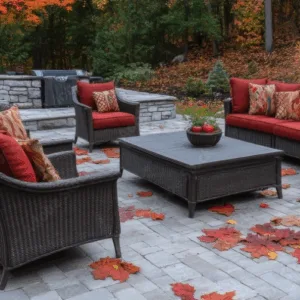
Time Required: 1-2 hours
Outdoor Furniture: Clean thoroughly and either store indoors or invest in quality weatherproof covers ($30-$100). Even “all-weather” furniture lasts longer when protected from ice and snow.
Grills and Planters: Move grills to covered areas. Empty planters or move them to prevent freeze-thaw damage to both planters and deck surface.
Accessories: Drain and store hoses, shut off exterior water sources to prevent frozen pipes, bring in decorative items and cushions.
When to Call Velero Deck Designs
While most autumn deck maintenance is DIY-friendly, some situations warrant professional expertise:
- Structural repairs (joists, beams, ledger boards)
- Extensive rot requiring multiple board replacements
- Railing systems that don’t meet current Virginia building codes
- Decks over 15 years old that haven’t been professionally inspected
Our team at Velero Deck Designs offers comprehensive fall inspection services throughout Virginia. We can identify hidden issues that might not be visible during a standard homeowner inspection and provide detailed estimates for repairs or upgrades. With years of experience working in Virginia’s unique climate, we understand exactly what your deck needs to survive winter and thrive for years to come.